



Personal hygiene means the everyday habits you use to keep yourself clean and reduce the spread of illness. In a food workplace, these habits matter because workers can carry germs on their hands, body, clothing, or personal items and pass them to food, surfaces, or other people.
Good hygiene is not just about appearance. It is a basic food safety practice. Clean habits help protect customers, coworkers, and the food you handle. They also support a professional workplace standard.
Why Personal Hygiene Matters

Poor hygiene can spread contamination very easily during normal work. A person may touch their face, cough near food, handle an unclean item, or bring contaminated personal belongings into a food area. If they do not manage these risks correctly, germs can move from the worker to food or food-contact surfaces.
Personal hygiene matters because it helps to:
- reduce the spread of illness
- lower the risk of contaminating food
- protect food preparation areas
- support safe daily work habits
- maintain professional standards in the workplace
Even small actions can make a difference. A brief lapse in hygiene can create a contamination risk.
Core Daily Hygiene Habits
Good personal hygiene depends on routine actions throughout the day, not just at the start of a shift. Workers should stay aware of their own cleanliness and behavior while working around food.
Important daily habits include:
- keeping yourself clean
- wearing clean work clothing
- washing hands when required
- covering coughs and sneezes properly
- avoiding behaviors that spread contamination
- keeping personal items away from food areas
These habits work best when they are done consistently.
Staying Clean at Work
A clean worker is less likely to spread contamination. Personal cleanliness should be maintained as part of normal work practice, not treated as a one-time step.
This means paying attention to your body, hands, clothing, and general presentation during the shift. If something becomes unclean, it should be corrected right away. Cleanliness supports both food safety and professional behavior.
Good Cough and Sneeze Etiquette
Coughing and sneezing can spread contamination into the air and onto hands, surfaces, and food areas. Because of this, workers must manage coughs and sneezes carefully.
Good cough etiquette means:
- turning away from food and food-contact surfaces
- covering your cough or sneeze properly
- cleaning your hands after coughing or sneezing when needed
This helps reduce the chance that droplets or contaminated hands will spread germs around the work area.
Avoiding Unhygienic Actions
Some everyday actions can quickly undo good hygiene. Workers need to recognize behaviors that increase contamination risk and avoid them in food areas.
Examples of unhygienic behavior include:
- coughing or sneezing openly near food
- touching things that may be contaminated and then continuing work without proper hand hygiene
- bringing unclean habits into food preparation areas
- failing to stay aware of how personal behavior affects food safety
Safe food handling depends on controlling these small actions before they become contamination problems.
Keep Personal Items Out of Food Areas
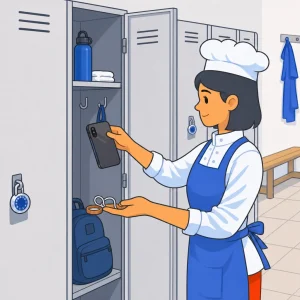
Personal belongings can carry contamination into the workplace. Phones are a common example. They are handled often, touched in many places, and can transfer contamination to hands and work areas.
For this reason, personal items such as phones should be kept out of food areas. This helps reduce unnecessary hand contact with contaminated objects, keep work surfaces and food areas cleaner, and support better focus on hygienic work practices.
If a personal item is handled, workers should be aware of the contamination risk it may create.
Personal Hygiene as a Professional Standard
Personal hygiene is part of working professionally in a food environment. It shows that you understand your role in protecting food and preventing illness. Clean habits should be visible in the way you work, move, and behave during the shift.
Professional hygiene means:
- staying clean and presentable
- following safe habits consistently
- avoiding actions that can spread contamination
- treating food areas with care and respect
These standards help create a safer workplace for everyone.
Building Strong Hygiene Habits
Good hygiene is most effective when it becomes routine. Workers should not wait until something goes wrong. Instead, they should practice safe habits all the time so that cleanliness and risk awareness become part of normal work.
To build strong habits:
- pay attention to personal cleanliness before and during work
- think about how germs can spread through normal actions
- avoid behaviors that may contaminate food or surfaces
- keep personal items away from food areas
- use good cough etiquette every time
Small, consistent actions are what make personal hygiene effective.
Key Takeaway
Personal hygiene is the set of daily habits that help prevent illness and reduce contamination in food workplaces. Staying clean, managing coughs and sneezes properly, avoiding unhygienic behavior, and keeping personal items like phones out of food areas all help protect food, coworkers, and customers.